

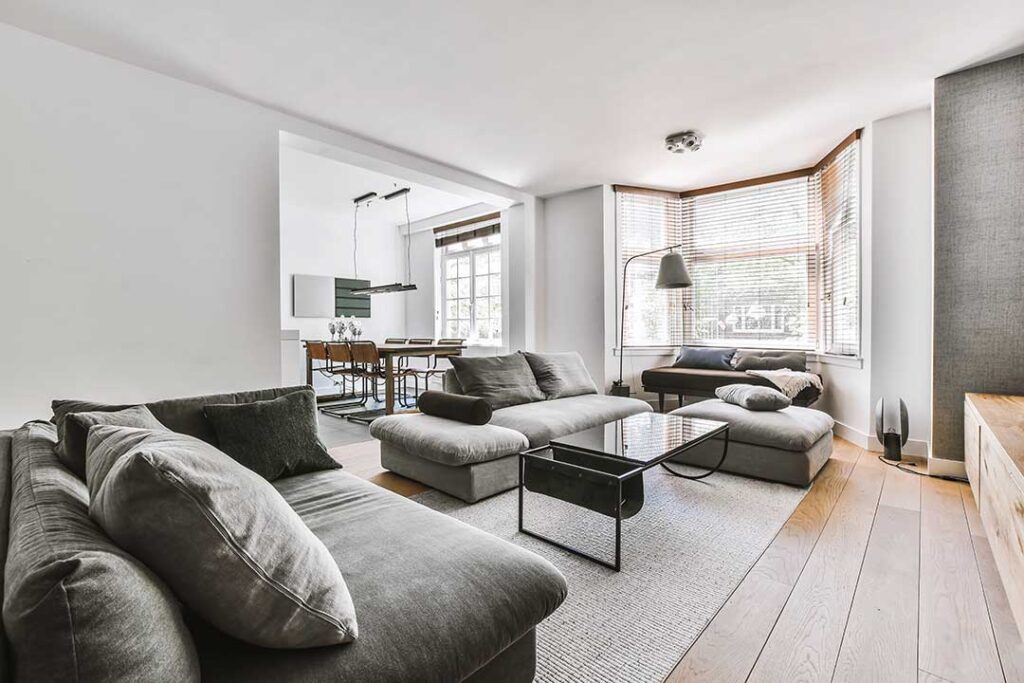
A home does not need expensive furniture, designer finishes, or a major renovation to feel appealing to prospective buyers. In Glen Rock, NJ, thoughtful cleaning, careful editing, good lighting, and practical room arrangements can make a noticeable difference without creating a large expense.
Staging is not about hiding a home’s flaws or making every room look luxurious. It is about helping visitors understand how the space functions, see its best features, and imagine living there.
What should be done first when staging a home on a budget?
Start by removing excess belongings, cleaning thoroughly, and improving the way each room is used. These steps usually have more impact than buying new decorations.
Before spending money, walk through the home as if seeing it for the first time. Look for crowded surfaces, blocked pathways, overly large furniture, dim areas, and rooms that do not have a clear purpose.
A simple staging plan can begin with four questions:
- What is the main purpose of this room?
- Can someone walk through it easily?
- Is there enough light to make the space feel comfortable?
- Are the home’s useful features easy to notice?
Photographs of each room can also help reveal problems that are easy to overlook in person. A room may feel acceptable during daily life but appear cramped or cluttered in pictures.
How can decluttering improve the appearance of a home?
Decluttering creates the impression of more space and makes storage areas easier to evaluate. It also reduces visual distractions, allowing buyers to focus on the home rather than the belongings inside it.
Begin with visible surfaces:
- Kitchen counters
- Bathroom vanities
- Entry tables
- Open shelving
- Nightstands
- Coffee tables
- Refrigerator doors
Keep a few functional items in place, but remove collections, piles of paperwork, excess small appliances, and personal displays. Closets should not be emptied completely. Instead, remove enough clothing and stored items so that shelves, rods, and floor space are visible.
In homes with basements, attics, garages, or compact storage areas, organization matters particularly. Group similar items in matching or consistent containers when possible. Clear a simple path through the space so visitors can understand its size and purpose.
Decluttering does not mean throwing everything away. Items can be packed, stored neatly, or temporarily moved elsewhere. The goal is to show the available space rather than demonstrate how much a household owns.
Which low-cost cleaning tasks make the biggest difference?
Deep cleaning can make a home feel better maintained without changing its layout or finishes. Concentrate on areas that affect a visitor’s first impression and areas that collect visible dirt.
Useful priorities include:
- Washing windows and wiping window screens
- Cleaning light fixtures and ceiling fans
- Removing dust from baseboards and vents
- Scrubbing grout and refreshing bathroom caulk where needed
- Cleaning kitchen cabinet fronts and appliance surfaces
- Removing odors from carpets, upholstery, trash areas, and pet spaces
- Sweeping porches, walkways, steps, and garage floors
Seasonal conditions in Glen Rock can bring tracked-in moisture, salt residue, leaves, and mud into entryways. A clean, uncluttered entrance is especially helpful during colder or wetter months. Use a simple mat, limit the number of shoes on display, and keep coats and umbrellas organized.
Strong fragrances should not be used to cover odors. Clean air and neutral smells generally feel more comfortable than heavy sprays or scented products.
How should furniture be arranged in smaller rooms?
Furniture should support easy movement and show the intended function of each room. Large pieces do not always need to be removed, but they may need to be repositioned or reduced.
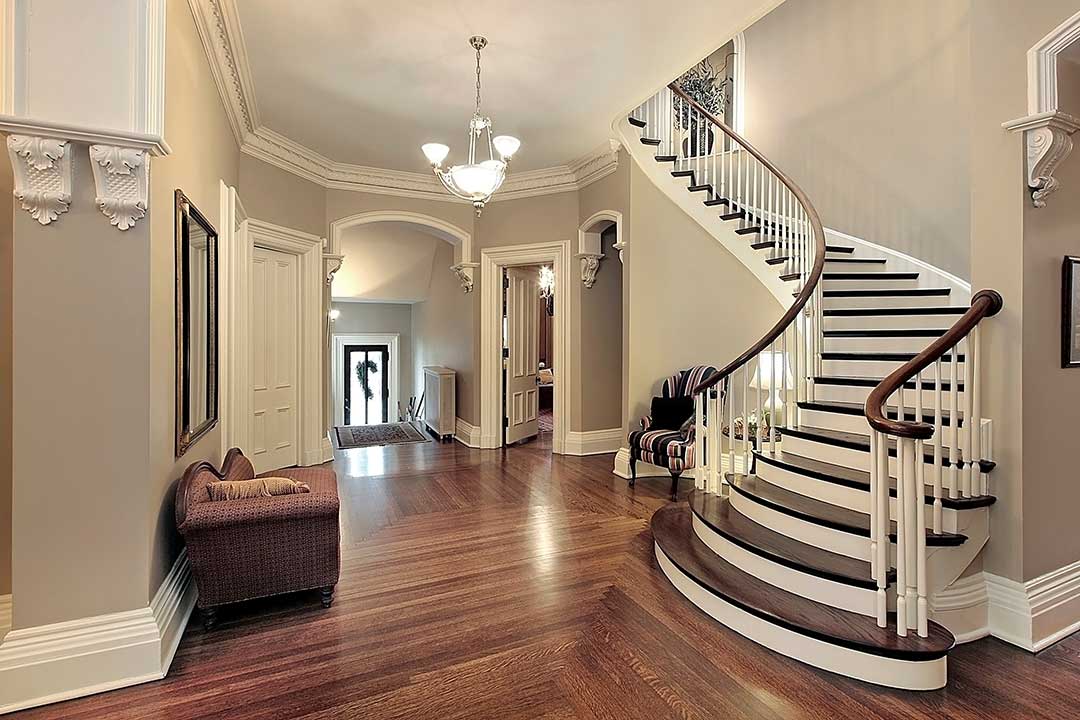
Pulling furniture slightly away from walls can sometimes make a room feel more balanced. Avoid placing too many chairs, tables, or storage pieces in a single area. Leave clear walking routes between doors, windows, and major features.
A room with an uncertain purpose can be staged simply. For example, an unused area near a main living space might be arranged as a reading corner, compact home office, or flexible study area. The arrangement should remain practical rather than crowded.
In homes with traditional room divisions, avoid combining too many functions in one space. A dining area used for storage, paperwork, and exercise equipment may be realistic for daily life but difficult for visitors to understand. Remove nonessential items and let the room’s primary purpose lead the arrangement.
What lighting changes are affordable?
Better lighting can make rooms feel cleaner, larger, and more welcoming. Start with the existing fixtures before buying anything.
Open curtains and blinds, clean the glass, and make sure each working light has a bulb. Replace mismatched bulbs with similar color temperatures so rooms do not appear unevenly lit. Warm or neutral white light is usually more comfortable than very harsh blue-white lighting.
Use three layers where possible:
- Natural light from windows
- Overhead lighting
- Lamps or other low-level lighting
Dark hallways, stair areas, finished basements, and interior bathrooms may need extra attention. A clean lamp, brighter bulb, or carefully placed mirror can improve the feeling of a dim area without remodeling.
Do not block windows with tall furniture or heavy curtains. In a region with changing seasons, natural light can vary significantly, so rooms should remain pleasant under both sunny and cloudy conditions.
Is repainting necessary before selling?
Repainting is not always necessary, but it can be worthwhile when walls are heavily marked, strongly personalized, or painted in colors that make rooms feel darker or smaller.
A full-home repaint may not fit a limited budget. Instead, focus on high-visibility areas such as the foyer, main hallway, kitchen, living room, and primary bedroom. Touching up scuffs and filling small nail holes may be enough if the existing color is generally neutral and in good condition.
Avoid choosing paint solely because it is currently popular. The better choice is a clean, consistent color that works with the home’s natural light and existing flooring. Paint samples should be viewed at different times of day before committing.
What inexpensive updates can improve kitchens and bathrooms?
Kitchens and bathrooms receive close attention, but staging does not require replacing cabinets or fixtures. Cleanliness and restraint often matter more than decorative upgrades.
In the kitchen, remove extra countertop items, organize the pantry, clean cabinet hardware, and make sure the sink area is free of dishes and sponges. A simple bowl of fresh produce may be appropriate, but decorative objects should not crowd the counters.
In bathrooms, remove most personal products, clean mirrors and fixtures, wash shower curtains or glass, and display fresh, neutral towels. Repairing a loose handle, replacing a worn toilet seat, or refreshing discolored caulk may provide more value than adding decorations.
Do not conceal maintenance problems with staging. Drips, damaged flooring, loose railings, and electrical concerns should be addressed for safety and accurate presentation.
How can a home feel welcoming without looking overdecorated?
Use a limited number of simple details to suggest comfort and function. A neatly made bed, a clean dining table, a few uncluttered shelves, and fresh towels can provide enough visual warmth.
Personal photographs, political materials, highly specific collections, and valuables are best stored away. This protects privacy and helps visitors concentrate on the home’s layout.
Outdoor areas also deserve attention. Sweep steps and patios, trim overgrowth where practical, remove unused containers, and arrange outdoor furniture so the space appears usable. Weather-resistant maintenance is especially relevant for households managing seasonal rain, snow, ice, and falling leaves.
The most effective budget staging usually comes from editing rather than purchasing. Clean rooms, clear pathways, working lights, and well-defined spaces help visitors understand the home without requiring expensive changes.